
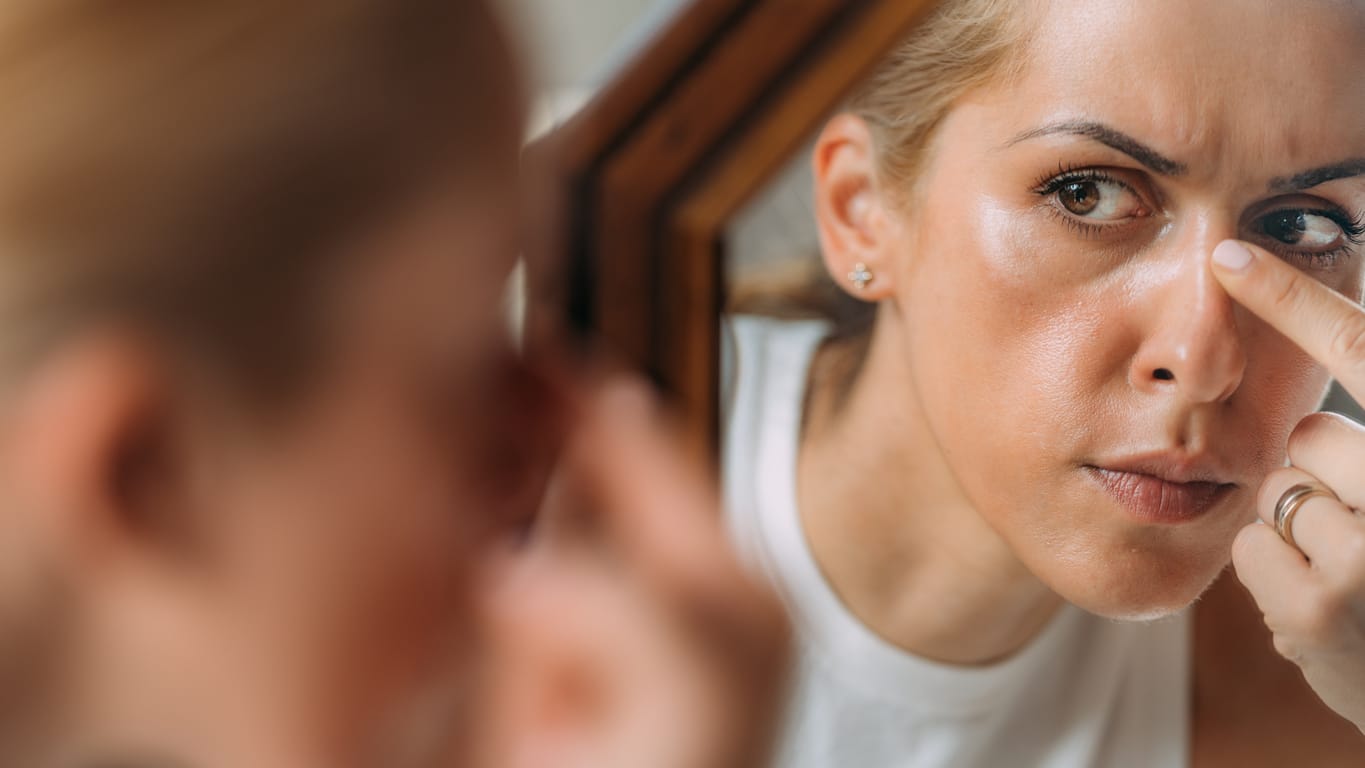
Most human beings have experienced some type of body image concern. Who hasn’t asked or wondered, “does this outfit make me look fat, my butt look too big, is my nose too big or crooked, etc.”?
People with BDD become preoccupied with a perceived bodily defect or flaw. They believe that they look ugly, unattractive, abnormal or deformed and often feel their appearance is offensive to others. Some people feel so bad about their appearance that you may hear them refer to themselves as looking “hideous” or like a “monster”. However, the perceived imperfection may not even be noticeable to others or if so, viewed as very slight.
People who suffer from BDD can become so distressed that they often engage in excessive, time consuming, costly or even dangerous behaviors in attempts to correct the flaw and alleviate the associated distress.
Such behaviors may include, but are not limited to:
- Repeatedly checking mirrors or other reflective surfaces
- Excessive grooming (e.g. shaving, styling, picking skin or pulling hair)
- Camouflaging (e.g. applying makeup, colored hair powders, wearing hats, sunglasses, etc.)
- Reassurance seeking
- Repeatedly touching the area to “check” it
- Excessive exercising or weight lifting
- Tanning
- Cosmetic or self-administered surgeries



Most Recent Posts
- Parental Alienation: Does It Affect Children?
- Religious and Moral Obsessions in Obsessive-Compulsive Disorder: Understanding Scrupulosity
- Is This Anxiety?: Examining the Root of Body-Focused Repetitive Behaviors
- One Treatment Plan for Many Struggles: The Unified Protocol
- The Contrast Avoidance Model: Understanding the Function of Worry in GAD
 The Maryland Anxiety Center was founded by Andrea G. Batton, LCPC with a vision of creating a practice where clinicians and staff work cohesively and collaboratively with patients to provide optimal psychological care. The Maryland Anxiety Center specializes in the treatment of anxiety and related disorders from a cognitive behavioral perspective, the gold-standard and most effective treatment for such conditions.