
This article was published on: 10/21/25 3:51 PM
Written by Christian Paulisich, LGPC
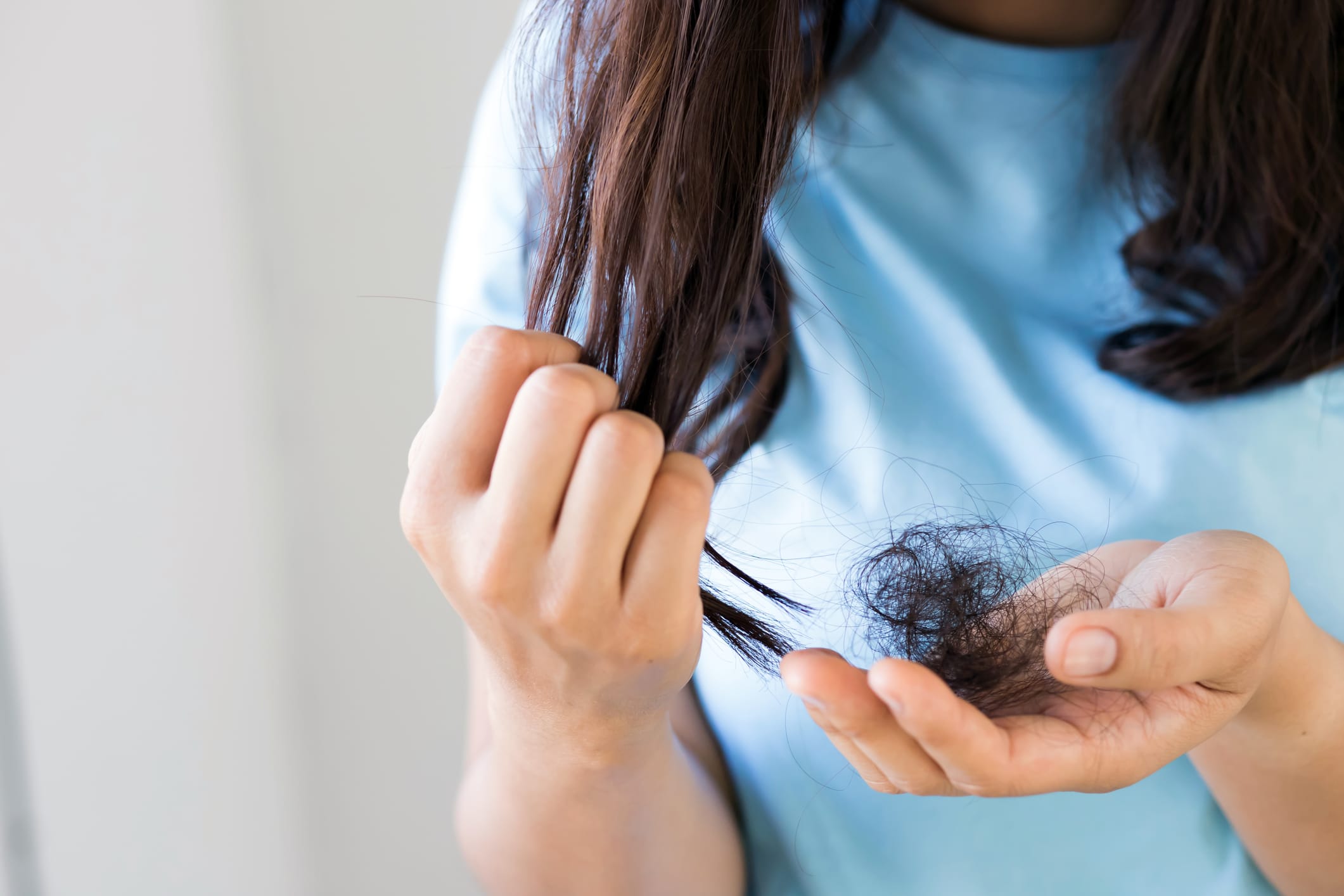
Body-focused repetitive behaviors (BFRBs) are “any repetitive self-grooming behavior that involves biting, pulling, picking, or scraping one’s own hair, skin, lips, cheeks, or nails that can lead to physical damage to the body and have been met with multiple attempts to stop or decrease the behavior” (TLC Foundation for BFRBs, https://www.bfrb.org/what-are-bfrbs). Nearly all of us engage in these behaviors from time to time, whether it be biting our cheek during a meeting, biting our nails in anticipation of something fun or nerve wracking, pulling at or chewing our hair in class, even scanning our body or face for pimples and scabs. While many individuals can stop themselves from popping and picking at every facial blemish, or from excessively plucking out their eyebrows until it looks or feels “just right;” in their lifetime, one in four individuals will have significant difficulty stopping these behaviors, leading to social, academic, and/or occupational impairment (Moritz et al., 2023). Even fewer will seek help and be provided the diagnosis of body-focused repetitive behavior disorder.
Trichotillomania (hair pulling) and excoriation disorder (skin picking) are the most common and well-understood BFRBs, any of the repetitive behaviors listed above could meet criteria for a body-focused repetitive behavior if repeated attempts to quit have been unsuccessful and the behavior or the damage it causes (physically or socially) creates significant distress. These individuals can and should receive effective treatment!
For decades, behaviors like hair pulling, skin picking, and nail biting have been labelled as “nervous habits,” suggesting BFRBs are caused by anxiety. While there are undoubtedly similarities among anxiety disorders and BFRBs, the unwanted emotions associated with BFRBs (as well as OCD) can also include affective states beyond just anxiety, such as boredom, restlessness, shame, sadness, anger, and frustration.
Further, BFRBs are classified as an OCD-related disorder, despite lacking the obsession or mental preoccupation of the obsessive-compulsive disorder diagnosis. To understand this classification, one needs to differentiate compulsive behaviors from impulsive behaviors. With both behaviors the individual seeks to “rapidly change their emotional state;” impulsive behaviors are driven by “an urgent need for pleasure,” and compulsive behaviors by “an urgent need to relieve distress” (Kandeğer, 2025). While there may be overlap between pleasure and distress-relief motives for behaviors, the compulsive, distress-relief motive appears prominent in developing and maintaining BFRBs.
Through the cognitive-behavioral model, we understand the multidirectional influences our thoughts, behaviors, and emotions have on each other. However, this happens largely out of our awareness– imagine how exhausting and difficult it would be to properly think through and plan every minute activity you do throughout your day! When we do something repeatedly, and it resolves a problem for us, a behavioral chain forms. In shorthand, if this behavior satisfies our need for either pleasure or getting rid of our distress, even if it’s only temporary, we instinctively latch onto and continue that behavior until we can identify more adaptive ways to respond to our needs to break this cycle. This is the goal of treatment interventions.
The most effective, evidence-based treatment we have for treating BFRBs is the Comprehensive Behavioral Model (ComB). Because BFRBs are often misunderstood and thought to be caused by anxiety, referring back to the idea of a “nervous habit,” effective treatment requires the therapist to help the client better understand their behavior and challenge previously held misconceptions of self-blame, helplessness, and shame.
Often, BFRBs are performed “automatically” and out of our conscious control, whereas sometimes these behaviors may be “focused” with the intent of correcting or otherwise achieving relief from tension or distress. Becoming aware of when someone engages in one of these behaviors is a key first step to treatment, having the client track potential triggers at times when the picking/pulling/biting occurs. Then, with their therapist, they will come up with potential solutions to address those specific needs and triggering stimuli in ways other than the BFRB they are trying to quit. If you or someone you know are struggling with a BFRB and feel like nothing has helped, please reach out and seek the care you deserve!
 The Maryland Anxiety Center was founded by Andrea G. Batton, LCPC with a vision of creating a practice where clinicians and staff work cohesively and collaboratively with patients to provide optimal psychological care. The Maryland Anxiety Center specializes in the treatment of anxiety and related disorders from a cognitive behavioral perspective, the gold-standard and most effective treatment for such conditions.